

Linen Tablecloths
Linen Tablecloths for Dining Tables, Weddings and Events
Find linen and linen-blend tablecloths with natural texture and an elegant drape for everyday meals, farmhouse dining, wedding tables, and special events. Multiple sizes are available for round, square, and rectangle tables.
Shop by Material or Shape or Color
Cotton Rectangle Round Square White Green
Shop by Pattern or Style
Floral Embroidery Striped Plaid Farmhouse French
Not sure about measurements? View our Tablecloth Size Guide.
-
Navy Blue Geometric Tablecloth
Regular price From $36.65Regular price$52.36Sale price From $36.65Sale -
Black Geometric Rectangle Tablecloth
Regular price From $36.65Regular price$52.36Sale price From $36.65Sale -
Red Linen Rectangle Tablecloth
Regular price From $35.54Regular price$50.78Sale price From $35.54Sale -
Blue Country Garden Tablecloth
Regular price From $36.65Regular price$52.36Sale price From $36.65Sale -
Farmhouse Floral Linen Tablecloth
Regular price From $36.65Regular price$52.36Sale price From $36.65Sale -
Green Tropical Botanical Tablecloth
Regular price From $29.98Regular price$42.83Sale price From $29.98Sale -
White Floral Linen Tablecloth
Regular price From $33.32Regular price$47.60Sale price From $33.32Sale -
Floral Linen Rectangle Tablecloth
Regular price From $34.43Regular price$49.19Sale price From $34.43Sale -
French Floral Linen Tablecloth
Regular price From $44.43Regular price$63.48Sale price From $44.43Sale -
Spring Floral Linen Tablecloth
Regular price From $51.10Regular price$73.00Sale price From $51.10Sale -
Beige Embroidered Linen Tablecloth
Regular price From $37.76Regular price$53.95Sale price From $37.76Sale -
Beige Farmhouse Geometric Tablecloth
Regular price From $37.76Regular price$53.95Sale price From $37.76Sale -
Green Striped Linen Tablecloth
Regular price From $33.32Regular price$47.60Sale price From $33.32Sale -
Grey Striped Linen Tablecloth
Regular price From $33.32Regular price$47.60Sale price From $33.32Sale -
Red Striped Linen Tablecloth
Regular price From $34.43Regular price$49.19Sale price From $34.43Sale -
Blue Striped Linen Tablecloth
Regular price From $34.43Regular price$49.19Sale price From $34.43Sale -
Black Tree Motif Tablecloth
Regular price From $29.98Regular price$42.83Sale price From $29.98Sale -
Green Floral Linen Tablecloth
Regular price From $29.98Regular price$42.83Sale price From $29.98Sale -
Off White Linen Tablecloth
Regular price From $32.21Regular price$46.02Sale price From $32.21Sale -
Solid Color Linen Tablecloth
Regular price From $38.87Regular price$55.53Sale price From $38.87Sale -
Floral French Rectangle Tablecloth
Regular price From $36.65Regular price$52.36Sale price From $36.65Sale -
Beige French Floral Tablecloth
Regular price From $36.65Regular price$52.36Sale price From $36.65Sale -
French Floral Round Tablecloth
Regular price $41.10Regular price$58.72Sale price $41.10Sale -
Floral French Round Tablecloth
Regular price $41.10Regular price$58.72Sale price $41.10Sale


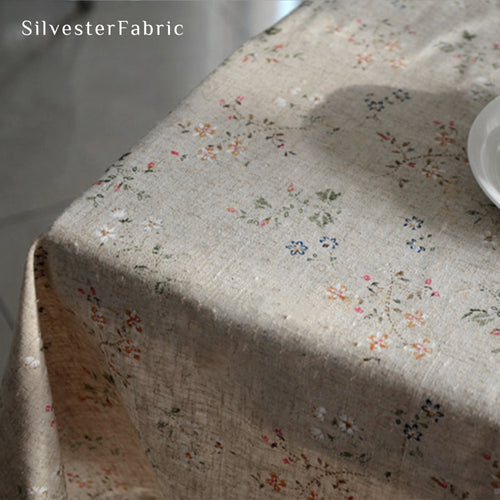
Linen Tablecloths for Natural Texture
Linen tablecloths bring natural texture, subtle slubs, and a relaxed elegance that no other fabric can match. Whether pure linen or linen-blend, they deliver the organic, lived-in quality that makes a table feel thoughtfully set rather than just covered.
Refined & Durable
Linen fibers are longer and stronger than cotton, making linen and linen-blend tablecloths some of the most durable natural-fabric options available. They hold up to frequent washing and develop a softer, more relaxed hand over time.
Texture That Lives
Linen has a characteristic matte surface with subtle slubs and natural weave variations. These organic imperfections are what make linen — and linen-blend fabrics that preserve linen's texture — read as authentic and crafted rather than flat and commercial.
Choosing Linen Tablecloths for Your Table
Pure Linen vs Linen Blends
Pure linen offers the most authentic texture and the longest lifespan, but it wrinkles more and requires gentler care. Linen-cotton blends preserve the linen look and texture while adding cotton's softness, easier care, and better wrinkle resistance. Linen-polyester blends go further — they keep linen's visual texture while offering the easiest maintenance and lowest cost. Most linen tablecloths on the market today are blends, and for good reason: they give you the linen aesthetic with less upkeep.
Wrinkles & Care
Linen and linen-blend tablecloths wrinkle naturally — this is part of their character. For everyday meals, many people embrace the soft, unironed look. For formal occasions, iron while slightly damp on medium heat. Machine wash in cold or lukewarm water with gentle detergent, avoid bleach, and line dry or tumble dry on low. Linen-blend fabrics need less ironing than pure linen, which is one reason blends are the more popular everyday choice.
Everyday vs Special Occasions
For daily use, linen-blend tablecloths are the practical choice — they deliver linen's natural texture with easier washing and less wrinkling. Pure linen tablecloths shine at special meals and holidays where their refined drape and authentic texture can be fully appreciated. Neutral tones like natural, cream, and oatmeal work for both everyday and formal settings. Save richer colors and heavier pure linen cloths for hosted meals and gatherings.
Styling Tips
Let the natural texture be the table's main detail. Pair with simple ceramic or stoneware dishes, solid napkins, and a low centerpiece. Linen and linen-blend tablecloths layer beautifully with matching napkins and a runner for a coordinated, textured look. Keep accessories minimal — the fabric itself carries enough visual interest. For a relaxed everyday look, skip the iron and let the natural wrinkles show.
FAQ
What defines a linen tablecloth and how is it different from other tablecloth fabrics?
A linen tablecloth is valued for its natural texture, breathable feel, and relaxed elegance. Compared with many other fabrics, linen often shows more organic character in weave and drape. It is commonly chosen for a refined yet casual table style across daily and hosted settings.
How do I choose between pure linen and linen-look tablecloth styles?
Choose pure linen if you prefer a natural hand feel and authentic linen texture. Choose linen-look styles if you want a similar visual effect with a different fabric feel and care profile. The best choice depends on your styling priorities, comfort preferences, and maintenance routine.
How do I compare linen tablecloth weights and textures for drape and look?
Lighter linen weights usually feel airier with softer movement, while heavier weights can create more structure and visual presence on the table. Smoother textures look cleaner and simpler; slubbed or textured finishes feel more relaxed. Compare by desired drape, mood, and room styling.
Which linen tablecloths are best for everyday dining vs special occasions?
For everyday dining, many shoppers prefer versatile linen styles in balanced tones that pair easily across seasons. For special occasions, richer colors or more decorative linen textures can create a stronger statement. Choose based on how often you use it and the atmosphere you want.
How do I choose linen tablecloth colors for neutral vs warm interiors?
In neutral interiors, tonal linen colors keep the table calm and cohesive, while subtle contrast adds depth. In warm interiors, cream, beige, taupe, and earthy tones usually blend naturally. Repeat one tablecloth color in napkins or runners to keep the full setting visually unified.
How do I style a linen tablecloth without making the table look flat or busy?
Add contrast through layered textures rather than many competing patterns. Pair linen with simple runners, restrained place settings, and one or two accent tones. This keeps the table visually clean while preserving depth, so the linen texture remains the main styling feature.
Collections
-

Farmhouse Tablecloths
Farmhouse Tablecloths in Plaid, Gingham and Striped Cotton Shop farmhouse tablecloths for...
-

Floral Tablecloths
Floral Tablecloths for Round, Square and Rectangle Tables Choose floral tablecloths for...
-

Linen Tablecloths
Linen Tablecloths for Dining Tables, Weddings and Events Find linen and linen-blend...
-

Cotton Tablecloths
Cotton Tablecloths for Kitchen, Dining and Outdoor Tables Shop breathable cotton tablecloths...
-

Striped Tablecloths
Striped Tablecloths in Printed, Embroidered and Woven Designs Shop striped tablecloths for...
-

Plaid Tablecloths
Plaid Tablecloths in Buffalo Check, Gingham and Tartan Shop plaid tablecloths for...
-

Rectangle Tablecloths
Rectangle Tablecloths for 2 to 12 Seat Dining Tables Find rectangle tablecloths...
-

Round Tablecloths
Round Tablecloths for Dining, Patio and Party Tables Find round tablecloths for...
-

Square Tablecloths
Square Tablecloths for Kitchen, Dining and Coffee Tables Shop square tablecloths for...
-

Embroidered Tablecloths
Embroidered Tablecloths in French and Floral Styles Shop embroidered tablecloths with French-inspired...
-

White Tablecloths
White Tablecloths in Plain, Lace, Embroidered and Jacquard Shop white tablecloths for...
-

Green Tablecloths
Green Tablecloths in Sage, Olive and Deep Holiday Tones Shop green tablecloths...


